Five non-invasive treatments that actually work
There is a lot of noise in aesthetics. These are the five treatments that consistently deliver, what each one is actually for, and who should not bother.
18 August 2026 · Natalja Andrejeva RN INP
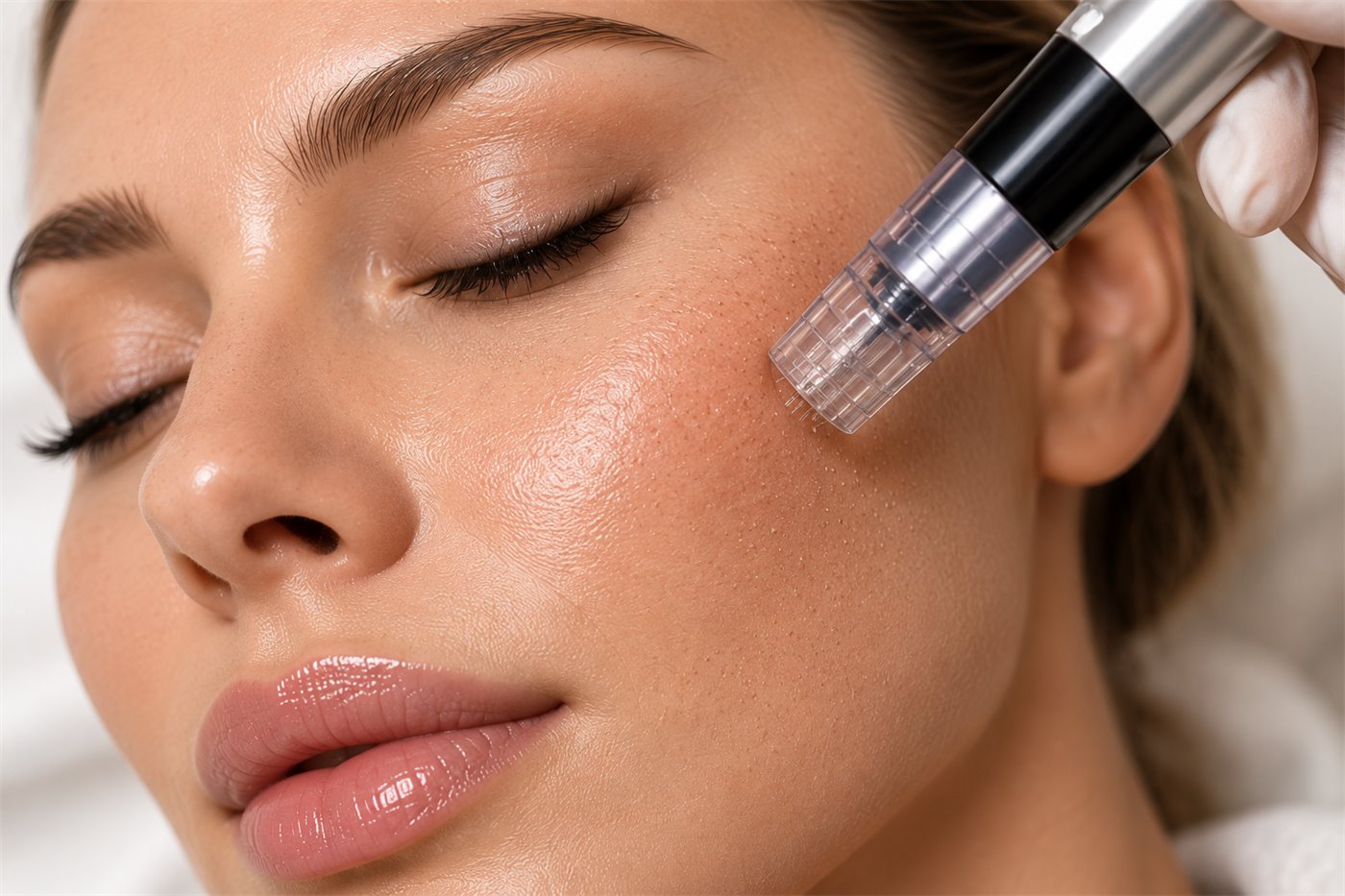
Most people arrive having read a great deal and having been told very little. The gap between what a treatment is marketed as doing and what it reliably does is where disappointment lives, so here is the plain version of five treatments worth your money, and what each is genuinely for.
1. Anti-wrinkle injections
What they do: relax the specific muscles creating a line, so the skin above it stops being folded and gradually smooths.
Who they suit: anyone whose lines appear on movement and soften at rest. If a line is etched in when your face is completely still, injections will improve it but will not remove it, and you will need a skin treatment alongside.
What to know: the frozen look comes from over-dosing on day one, not from the treatment itself. Start conservative and review at two weeks.
2. Dermal fillers
What they do: replace volume that has been lost from the fat pads and bone underneath, restoring support rather than filling a line.
Who they suit: anyone whose face has flattened and started to fold rather than simply lined. Cheeks, chin and jawline give the biggest structural return.
What to know: filling the hollow you can see is often the wrong move, because the loss that caused it is usually higher up. The assessment matters more than the product.
3. Skin boosters
What they do: hydrate the skin from within and stimulate collagen and elastin. They add no volume and create no shape.
Who they suit: skin that looks flat, dry and a little crepey rather than lined. Excellent on the neck and decolletage, where most people never treat and where crepiness shows first.
What to know: Profhilo is a two treatment protocol four weeks apart. A single session gives a fraction of the result, so budget for the course or wait until you can.
4. Polynucleotides
What they do: improve the environment the skin is working in, so it repairs more effectively. Slower and more gradual than a booster, and better for skin that is genuinely thin or damaged.
Who they suit: thin, crepey under eye skin, sun damaged skin, and anyone whose skin reacts badly to peels and lasers.
What to know: it is a course of three, and nothing much happens after the first. Patience is the price of admission.
5. Medical grade skincare
What it does: the unglamorous one, and the one that determines whether everything else holds. Retinoids, antioxidants and a genuine SPF do more for how your skin ages than any single appointment.
Who it suits: everyone, and it is the cheapest thing on this list.
What to know: if you are choosing between a treatment and sorting out your daily routine, sort out the routine first. Treatments applied to neglected skin are money spent twice.
The honest summary
No non-surgical treatment replaces a facelift, and anyone telling you otherwise is selling. What these five do well is slow the rate of change, improve the quality of your skin, and restore what has quietly been lost, which for most people in their thirties, forties and fifties is exactly the right ambition.
The most useful thing you can do is book a consultation and get an honest read on which of these, if any, you actually need. Sometimes the answer is none of them yet.
Browse our treatments, or read what happens at a consultation.
Next step
Book a consultation in Putney
An honest assessment of which of these, if any, you actually need.